Animal Picture Books for Kids: Learning Through Story
How animal characters, curiosity, and page-turn surprises can make learning part of the adventure.
Children are naturally curious about animals.
Where do they live? What sounds do they make? What do they eat? And why do different animals behave in such different ways?
Picture books can turn those everyday questions into part of a story.
Instead of stopping the adventure for a lesson, a story can invite children to wonder, guess, and discover the answer right alongside the characters.
Sometimes the simplest question can create the perfect page-turn moment:
What do you think this animal eats?
A child makes a guess. The page turns. And suddenly a small piece of learning has become part of the fun.
Why Do Animal Characters Work So Well in Children's Stories?
Animals can do something wonderful in a picture book: they can feel familiar and imaginative at the same time.
A mouse can pack a suitcase and visit the city. A frog can offer help. A crow can point travelers in the right direction. A horse can become part of an unexpected adventure.
Children can enjoy those characters for who they are in the story while also becoming curious about the real animals behind them.
Does a frog really eat cheese?
What would a crow choose instead?
Would a horse want the same snack as a mouse?
Questions like these allow imagination and real-world discovery to sit side by side. The story keeps moving, but curiosity has already begun.
And sometimes children learn something simply because they wanted to know what happened next.
When a Page Turn Becomes a Discovery
A page turn can do more than move a story forward.
Sometimes it gives children just enough time to stop, think, and make a prediction before the answer is revealed.
Imagine that a character offers a frog a snack of cheese and biscuits.
Before turning the page, ask:
Do you think a frog would eat cheese and biscuits?
If not, what do you think a frog might eat instead?
Now the child isn't simply waiting to hear the next part of the story. They're using what they already know, making a guess, and becoming curious about the answer.
Then comes the page turn.
Maybe the child guessed correctly. Maybe the answer is a complete surprise. Either way, discovering what happens next becomes more memorable because the child had a reason to wonder about it first.
That's one of the quiet ways a picture book can encourage learning without making the story feel like a lesson.
Repetition Helps Children Know What to Look For
When something happens more than once in a story, children may begin to recognize a pattern.
The first time an animal is offered an unexpected snack, the answer may come as a surprise.
When it happens again, young listeners may already be wondering:
Will this animal eat cheese and biscuits?
If not, what will it eat instead?
By the third encounter, children may be ready for the question before anyone even asks it.
That repetition can turn listening into participation. Children aren't simply following what happens next—they're noticing the pattern, remembering what happened before, and using those clues to make a new prediction.
And because the answer changes with each animal, the pattern stays familiar while the discovery remains new.
A frog, a crow, and a horse may all be part of the same adventure, but they don't necessarily want the same thing for lunch.
Featured Animal Story
Figbert & Flossie Visit the Big City
by Kathleen Blevins
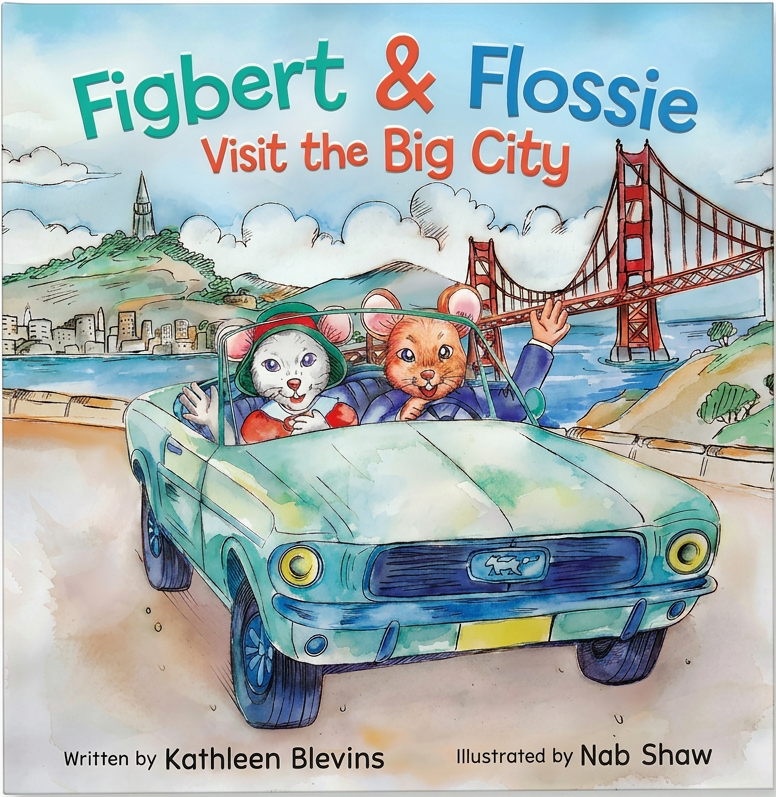
In Figbert & Flossie Visit the Big City, two country mice set off on an exciting journey to San Francisco to visit their cousins.
Along the way, they encounter three unexpected predicaments—and three very different animals who offer help when the mice need it most.
There's Mr. Frog, Mr. Crow, and Mr. Horse.
Each act of kindness moves Figbert and Flossie a little farther along their journey. And each time a new animal friend helps them, the grateful mice offer to share the snack they've brought from home: cheese and biscuits.
There's just one problem.
Their new friends don't eat cheese and biscuits.
For young listeners, that repeated exchange creates another kind of adventure inside the story. Once children recognize the pattern, they may begin wondering what each animal does eat—and the answer is waiting on the other side of the page.
Before You Turn the Page...
Each time Figbert and Flossie offer cheese and biscuits to a new animal friend, (pause for a moment before turning the page).
What do you think this animal would rather eat?
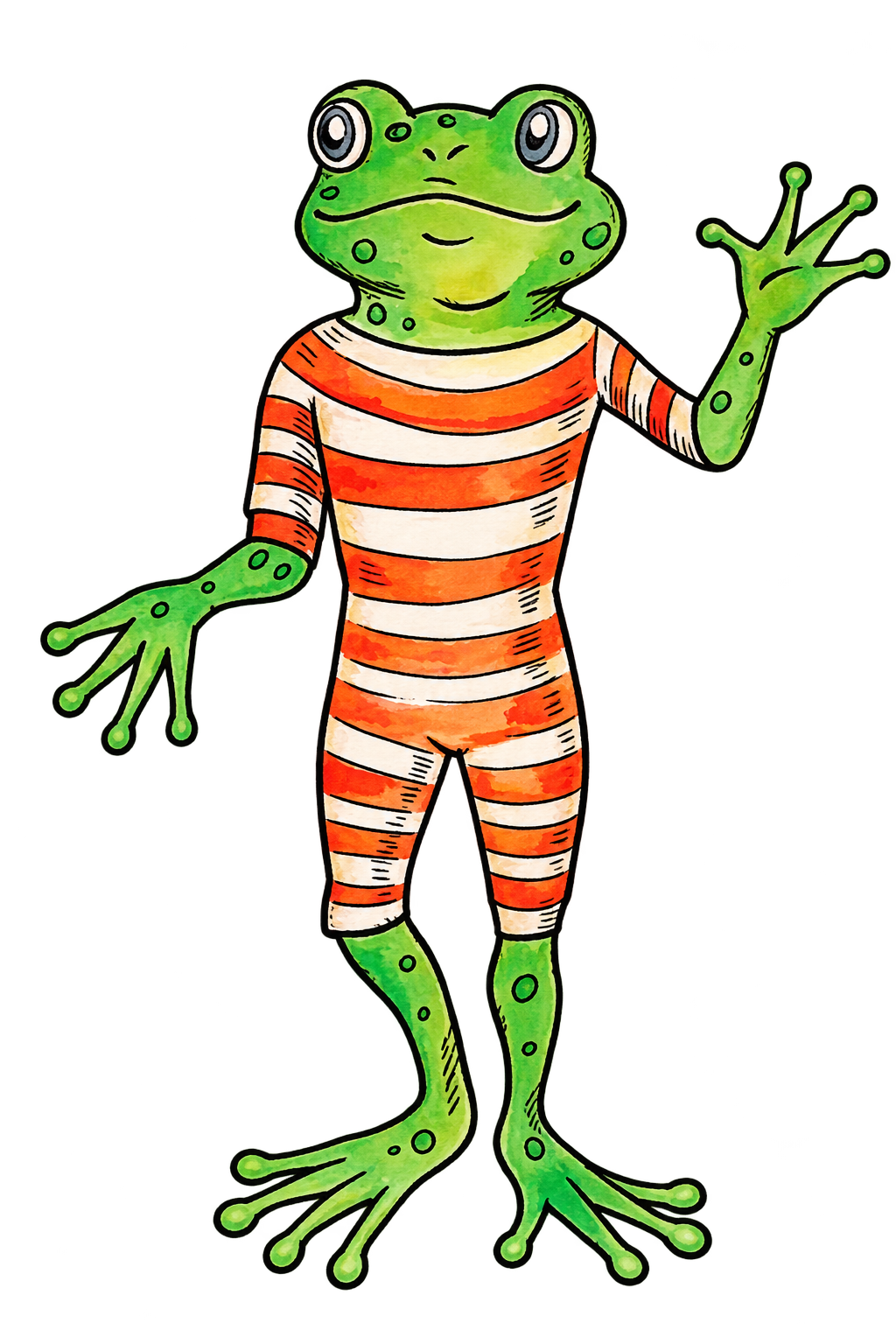
Mr. Frog
Cheese and biscuits?
Or something else?
Make your guess...then turn the page.
Mr. Frog prefers bugs and flies.
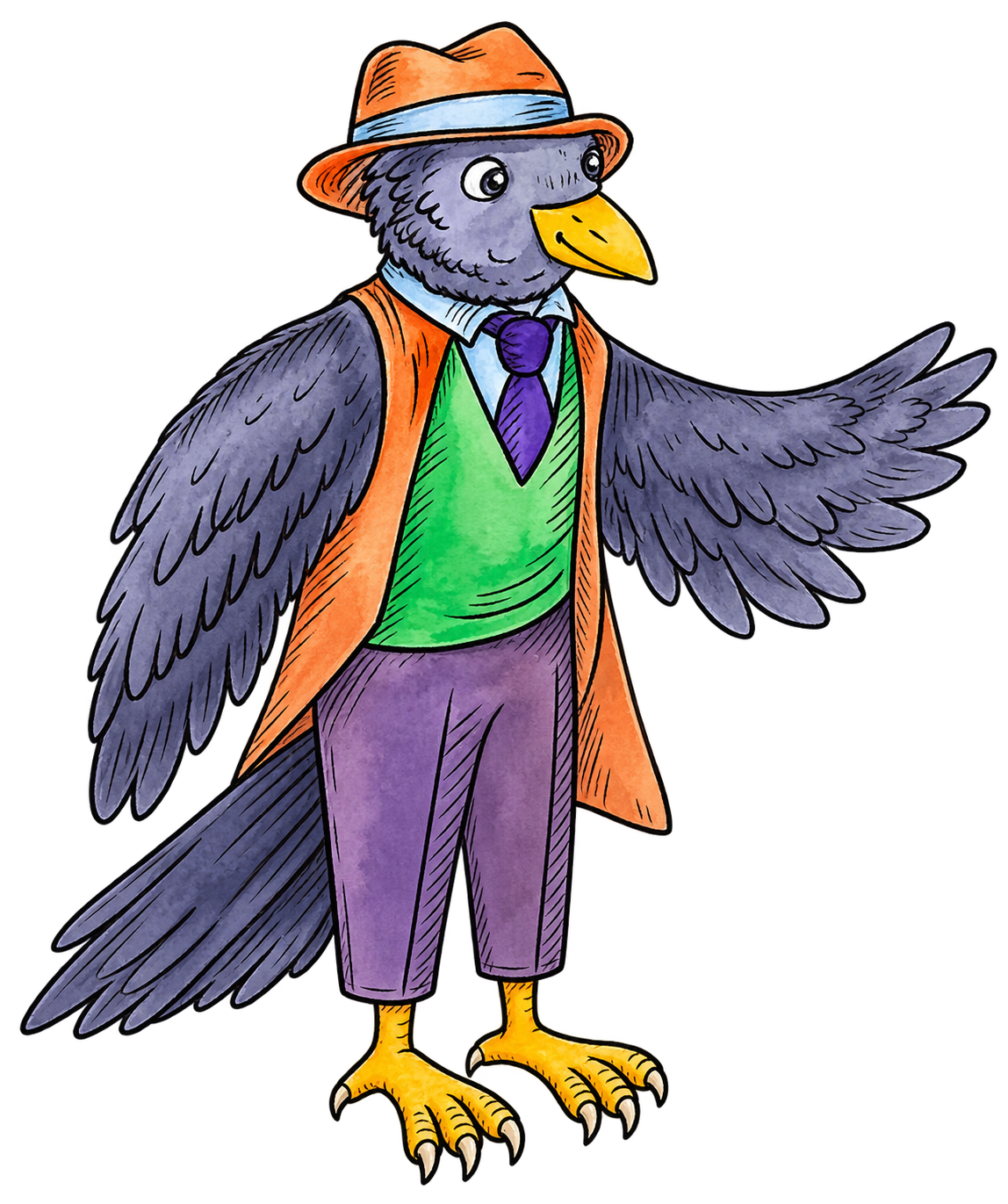
Mr. Crow
Now that you know Mr. Frog had something else in mind, what do you think Mr. Crow might choose?
Make your guess...then turn the page.
Mr. Crow prefers nuts and berries.
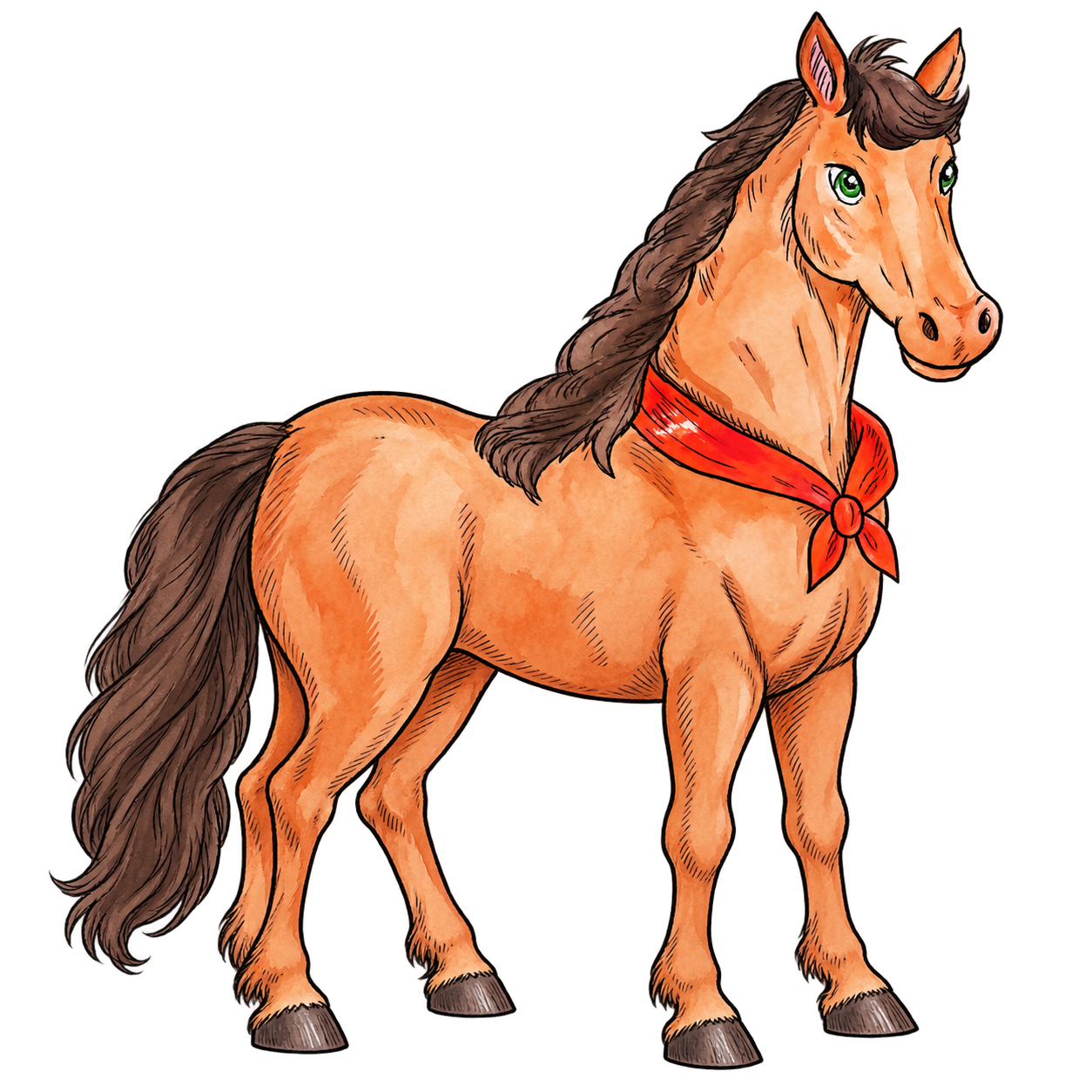
Mr. Horse
One more animal friend—and one more chance to predict.
What do you think Mr. Horse would rather eat?
Make your guess...then turn the page.
Mr. Horse prefers apples and hay.
By the third encounter, children may recognize the pattern before the question is even asked. Whether their predictions are right or completely unexpected, each page turn offers another opportunity to wonder, guess, and discover.
More Than One Kind of Discovery
The animal-food discoveries add another layer of fun to Figbert and Flossie's adventure, but their journey is ultimately about something larger: the unexpected kindness they encounter along the way.
Each time the mice face a predicament, a new animal friend offers help. Mr. Frog, Mr. Crow, and Mr. Horse each contribute something different, but together they help Figbert and Flossie continue toward their destination.
That gives young readers more than one kind of discovery to make.
They can wonder what different animals eat while also noticing what happens when one character stops to help another who needs it.
One discovery is about animals.
The other is about kindness, friendship, and helping others.
And both unfold naturally through the same adventure.
Questions to Ask After an Animal Story
Animal characters can give children plenty to talk about after the last page is turned. Some questions can help them remember what they discovered, while others encourage them to compare, explain, and imagine.
- 1.What did Figbert and Flossie offer each animal friend after they received help?
- 2.Can you remember what Mr. Frog, Mr. Crow, and Mr. Horse each preferred to eat instead?
- 3.What did you notice about the foods the three animals chose? Were any of them alike?
- 4.After the first animal turned down the cheese and biscuits, did you begin to guess what might happen when Figbert and Flossie met the next animal?
- 5.How did Mr. Frog, Mr. Crow, and Mr. Horse each help Figbert and Flossie along their journey?
- 6.Why do you think Figbert and Flossie wanted to share their cheese and biscuits with the animal friends who helped them?
- 7.If Figbert and Flossie met another animal on their journey, which animal would you choose—and what food do you think it might prefer?
Some of these questions have answers children can find in the story. Others invite them to notice patterns, think about the characters' choices, or imagine a new encounter of their own. There are no perfect answers to the imaginative questions—the discovery is in hearing what children notice and where their curiosity leads.
When Learning Becomes Part of the Story
Children don't always need to know they're learning something for discovery to happen.
A funny character, an unexpected question, or the curiosity created by a page turn can be enough to make a child stop and wonder.
What does that animal eat?
Why did that character help?
What do you think will happen next?
Those questions can lead in different directions. One may spark curiosity about animals. Another may begin a conversation about kindness or friendship. And another may simply encourage a child to make a prediction and eagerly turn the page.
That's part of what makes animal picture books so much fun to share.
The story comes first.
The curiosity follows.
And sometimes a child discovers something new along the way.
If you're looking for an animal picture book filled with adventure, friendship, unexpected kindness, and opportunities to wonder and predict along the way, discover Figbert & Flossie Visit the Big City.